In the ever-evolving fast-paced world of technology, 2026 has gifted us with an innovation that feels like it directly from a sci-fi movie. It’s known as multimodal AI, and right now it’s the most advanced topic (The AI with Super Senses) in the digital era. But don’t let the big name scare you!
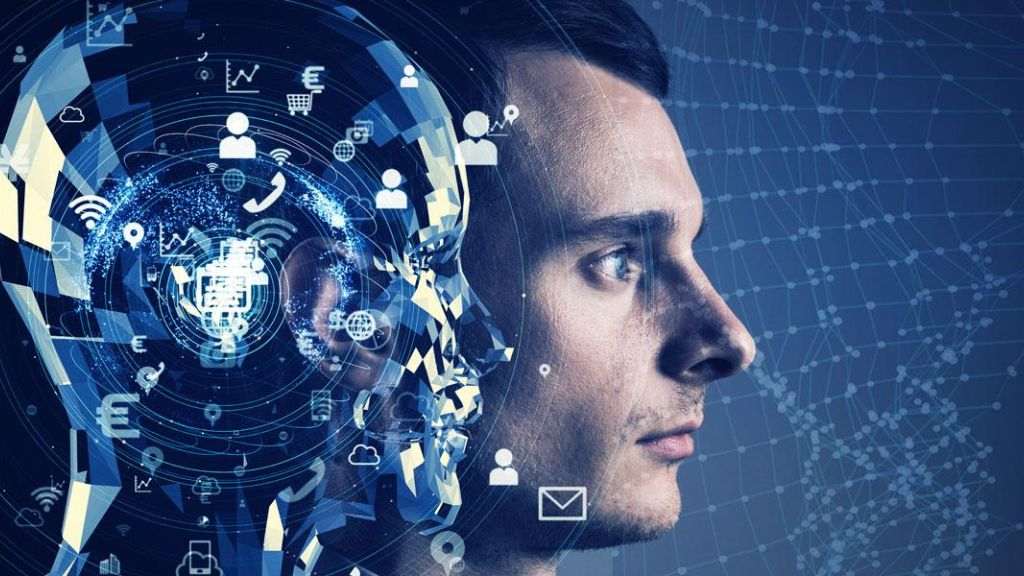
When you walk through the kitchen, you don’t simply “see” an apple. You can even smell its sweetness, feel its skin, and hear the “crunch” when you take a bite. Your brain does the exact thing by using all these senses i.e. sight, sound, touch, and smell, to understand the world. It is a specific type of artificial intelligence that tries to copy exactly that. Unlike older computers that could only read the text or only look at pictures, this new “super brain” can process text, audio, images, and video all at once.
What Exactly is Multimodal AI?
To understand why this is a big deal, you have to look at how AI used to work. Imagine a robot that could only read. If you showed it a picture of a rainy day, it would be confusing. And if you played a recording of thunder, it wouldn’t know what it was hearing. This is known as “unimodal AI”, which means it only has one ‘mode’ or only one way of learning.
Multimodal AI changes everything. It combines different “modalities”. By using computer vision to “see” and natural language processing to “talk,” it can understand a video of a birthday party just like you do. It sees the candles, hears the “Happy Birthday” song, and also reads the sign on the cake saying “Age 10” to understand precisely what’s happening right now.
Read Also: The AI Coding Revolution 2026
How Does This “Super Brain” Work?
You might wonder how a computer can “see” and “hear” simultaneously. It happens in three main steps:
- The Input Stage: The AI collects information. This might be a picture of your work, a voice recording of your manager, and an email from your office.
- The Fusion Stage: This is the most magical part! The AI took all those various parts — the picture, the sound, and the text — and mixes them together. It matches them so that it understands the “barking” sound on the audio belongs to the “dog” in the video.
- The Output Stage: At last, the AI gives you an answer. As it understood the overall “vibe” and context behind a piece of information, its answer is much smarter than a regular computer (The AI with Super Senses).
For example, when you show a multimodal model like Google Gemini a picture of ingredients in your fridge, it doesn’t just list “eggs” and “milk.” It “sees” the ingredients, “remembers” recipes it has read, and can “tell” you through a voice assistant exactly how to bake that cake!
Why is Multimodal AI Famous Right Now?
In 2026, multimodal AI is everywhere because it makes technology feel more human. Here are a few ways it is being used today:
1. The Ultimate Study Buddy
For students, this AI is a game-changer. Suppose that you are trying to solve a math problem. Instead of just typing it out, you can record yourself explaining where you are stuck while pointing at your notebook with a camera. The AI “sees” your work, “hears” your frustration, and “reads” the problem to give you a hint that is perfect for you. This personalized learning helps everyone learn at their own pace.
2. Helping the World
This technology is a lifesaver for persons with disabilities. For a visually impaired person, a multimodal AI app can “watch” the street through a phone camera and tell you everything in detail: “There is a red car coming this way, and the crosswalk sign just turned green.” It turns the visual world into audio.
3. Smarter Robots and Cars
Have you seen self-driving cars? They are the ultimate example of this AI. To drive safely, the car needs to “ see” the road, and “hear” sirens from an ambulance and “read” traffic signs altogether. If it only used one sense, it wouldn’t be safe. But by being multimodal, it can make split-second decisions to keep everyone out of danger.
Key Terms to Know (Our “AI Dictionary”)
If you want to sound like a pro, here are the most important words to remember about this topic:
| Keyword | What it Means |
| Multimodal AI | AI that understands many types of data (text, sight, sound) at once. |
| Generative AI | AI that can create new things, like stories or pictures. |
| Machine Learning | How computers learn from patterns without being told exactly what to do. |
| Context | The “big picture” that helps the AI understand what is really happening. |
| Data Fusion | The process of mixing different types of information together. |
The Future: What’s Next for 2026 and Beyond?
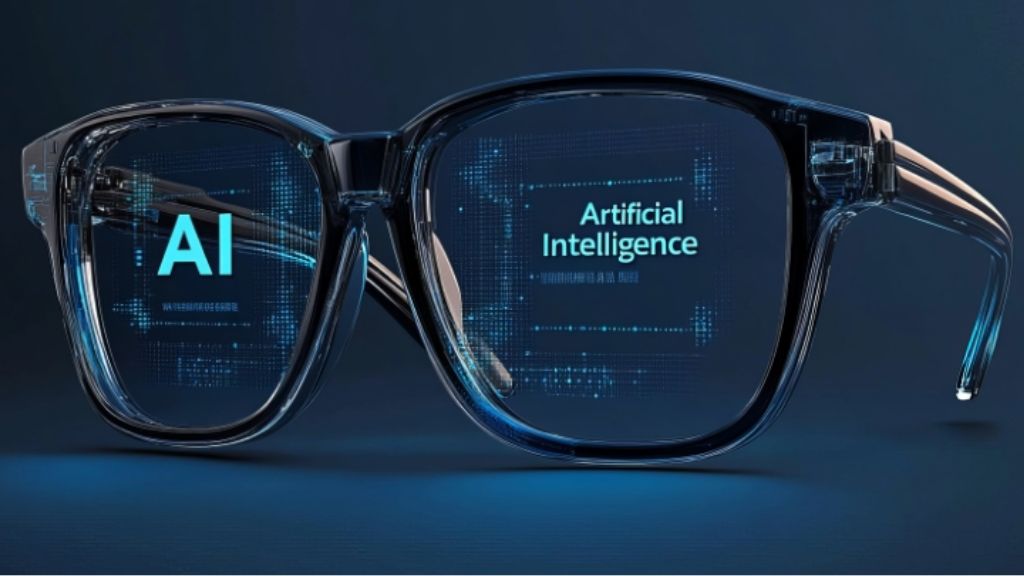
As we move to 2026, multimodal AI is emerging from our phones into our physical lives. We now have “AI Glasses” that can automatically translate a foreign language (The AI with Super Senses) menu just by looking at it, and “Smart Tutors” that can tell if a student is bored just by watching their facial expressions!
However, with great power comes great responsibility. Scientists are working very hard to ensure that this AI is ethical and safe. Because it can “see” and “hear” so much, we need to ensure that it respects people’s privacy and doesn’t learn bad habits from the internet.
Read Also: The Ultimate Guide to AI Smart Glasses
Fun Fact: This AI can now “watch” a silent movie and generate the sound effects—such as footsteps, rain, or a door slamming— all by itself because it can understand what those actions should sound like!
Finishing with a Bang!
The days of the “silent and blind” computer is over. We are now well into the era of multimodal AI— a technology that doesn’t just calculate numbers, but actually perceives our world. It’s the bridge between the digital world and our human senses.