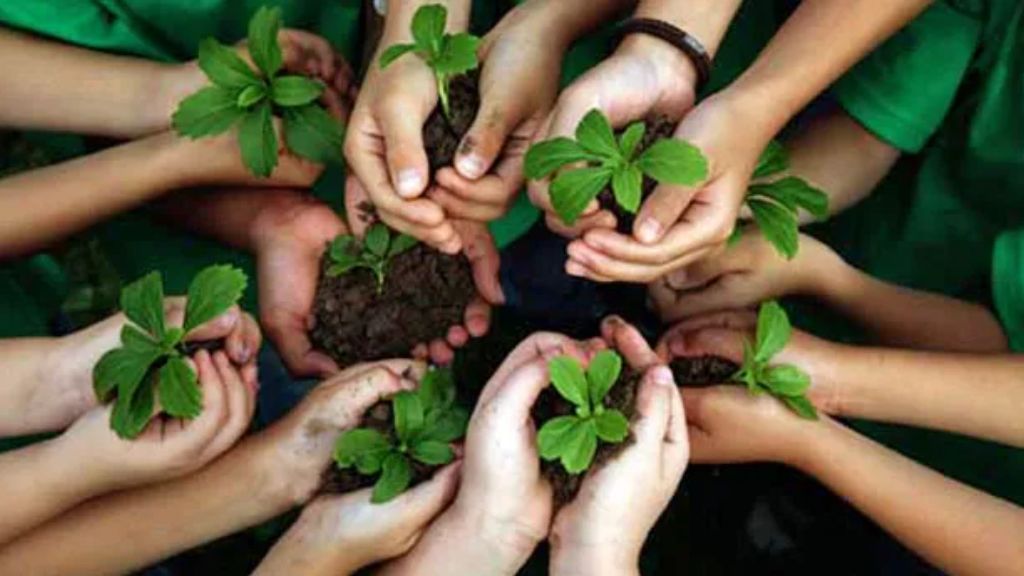
Imagine a school where children don’t just learn their subjects but also learn about nature and how to preserve it for the future. These activities include conserving water, planting trees, and caring for the environment. They help students become kind and responsible citizens. That is why Environmental Awareness in Schools is so important. It teaches children to understand nature, respect the Earth, and, most importantly, protect it for future generations. When students start learning these values early, they will grow up to make better choices for the planet.
What Is Environmental Awareness?
Environmental awareness means understanding nature deeply and knowing the reason why our actions impact our planet. It includes learning about clean air, fresh water, green forests, animals, and climate. Students must be taught simple habits in school as well as at home, such as not wasting water, disposing of garbage in the bins, and switching off the lights.
Environmental Awareness in Schools teaches students that the Earth is our common home and it’s our duty to take care of our home together. These life long lessons make children thoughtful and caring person.
Why Schools Should Teach About the Environment
Schools are among the best places to teach good habits. Children spend a lot of time at school, learning is not only from books, but also from the teachers and friends. When schools include environmental lessons in their books, students develop a strong connection with nature.
Environmental Awareness in Schools encourages kids to understand that even the smallest act can make a large difference. Simple acts such as turning off lights, saving paper, and keeping a classroom clean shows responsibility and discipline.
Read Also: Climate Change Education: Why Teaching Climate Awareness in Schools Is Essential
Simple Activities That Build Environmental Awareness
Learning becomes much more enjoyable when activities become an integral part of a student’s life. Schools must organize some easy and fun programs to teach children about environmental care.
Tree Plantation Drives
Children can plant saplings in the school garden or local parks. It makes them proud and happy to watch a plant grow. This is one of the excellent ideas to promote Environmental Awareness in Schools.
Cleanliness Campaigns
The most important environmental awareness is that students must learn to clean classrooms, playgrounds, and nearby local areas. These activities make them learn about teamwork and the importance of hygiene and cleanliness.
Nature Walks
Teachers can take students on short walks to parks or gardens. Students can observe the whole of nature, including birds, insects, trees, and flowers, and also feel closer to nature.
Recycling Crafts
Old bottles, paper, and boxes can be turned into beautiful craft items. This teaches the idea of reuse and reduces waste in a creative way.
Role of Teachers in Environmental Learning
Teachers are role models for young children who help them to shape their minds. Children understands better when teachers explain these environmental topics through stories, pictures and examples.
Through Environmental Awareness in Schools, teachers guide students to think before they act. They encourage questions such as: “What if we cut down too many trees?” or “Why waste water? Such thinking helps students become responsible learners.
How Environmental Education Helps Students
Environmental education teaches more than facts. It helps children grow emotionally and socially.
Builds Good Habits
Students learn daily habits like avoiding plastic and saving electricity. These habits stick with them for life.
Improves Thinking Skills
When kids learn about pollution and climate change in simple ways, they start thinking about solutions.
Encourages Kindness
Children who learn to be gentle and kind to animals and plants, become more nurturing adults.
Environmental Awareness in Schools, makes students smarter, softer, and more aware of the world.
Benefits for Schools and Communities
When students learn about these topics, the benefits spread beyond classrooms. Schools become cleaner and greener. Parents are also learning from their children and start these habits of being eco-friendly at home.
Environmental Awareness in Schools creates healthy communities that respect the environment and collaborate for a better future. Clean environments also make schools healthier and happier places to learn.
Long-Term Impact on the Future
The lessons that children learn today shape tomorrow’s world. The child who has learned to care for nature grows into an adult who protects the environment. These children may become scientists, teachers, leaders, or responsible citizens who work for clean and green Earth.
The lasting effect of Environmental Awareness in Schools is a cleaner air, greener world and healthier life for upcoming generations. Small lessons today lead to big changes tomorrow.
How Parents Can Support Environmental Learning
Parents can support what children learn in school by practicing the same habits at home. Conserving water, planting plants and reducing waste at home gives a strong message taught in the classroom.
When parents support Environmental Awareness in Schools, children get motivated and confident to keep the environment green wherever they go.
Read Also: M.Sc in Biochemistry Course Details 2026
Conclusion
The Earth is a precious gift, and children are its future caretakers. Teaching them to protect and love nature is one of the most important lessons schools can ever give. Environmental Awareness in Schools helps students develop thoughtful, green, as well as responsible minds over time. Through collective and straightforward actions, caring teachers, and day-to-day habits, students learn to respect the environment.